
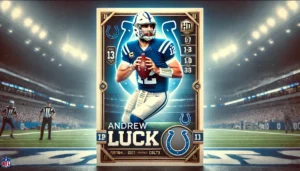
In 2019, the sports world was rocked when Andrew Luck, the star quarterback for the Indianapolis Colts, announced his retirement at just 29 years old. For a player widely regarded as one of the best in the league and at the peak of his career, the decision left fans, analysts, and teammates stunned. Why did Andrew Luck retire so early? Let’s dive into the factors that led to this shocking decision.
The Toll of Injuries and Rehabilitation
Andrew Luck’s career was marred by a series of significant injuries, including torn cartilage in his ribs, a partially torn abdomen, a lacerated kidney, a torn labrum in his throwing shoulder, and a mysterious calf/ankle issue in 2019. These injuries required extensive rehabilitation, forcing Luck to endure an almost constant cycle of pain, recovery, and re-injury.
During his retirement announcement, Luck candidly described the toll this cycle had taken on him:
“I’ve been stuck in this process. I haven’t been able to live the life I want to live. Taking the joy out of this game… the only way forward for me is to remove myself from football.”
Mental and Emotional Strain
Beyond the physical toll, Luck struggled with the emotional and mental weight of his injuries and rehabilitation. As a fiercely competitive athlete, the inability to play at his full potential was deeply frustrating. The pressure to recover quickly and lead his team added to the strain. Over time, this led to what Luck described as a sense of exhaustion and a loss of joy in playing football.
A Desire for Quality of Life
In retiring, Andrew Luck prioritized his long-term health and well-being over the potential for further accolades or financial gain. Football careers, especially for quarterbacks, can be extended well into their 30s and even 40s, but at what cost? Luck’s decision was a bold statement about valuing personal happiness and physical health over societal expectations of toughness and endurance.
The Backlash and Legacy
Although many praised Luck for his courage, others criticized the timing of his retirement, as it came just weeks before the start of the 2019 NFL season. Some fans even booed him as he left the field after the news broke, an act widely condemned by the sports community.
Despite the backlash, Luck’s decision has opened up broader conversations about athlete wellness and the pressure to perform at all costs. His retirement may have inspired other players to reflect on their own health and happiness, potentially shaping the future of sports culture.
The Takeaway
Andrew Luck’s retirement was a combination of physical injuries, mental exhaustion, and a desire for a better quality of life. His story is a reminder that even the most successful athletes are human and that success isn’t solely measured by championships or career longevity. Luck’s choice to step away, though controversial, underscores the importance of prioritizing health and well-being.
